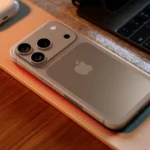
For over a decade I have snapped countless selfies in all sorts of settings from lively festivals to cozy home gatherings. I still remember the blurry front camera days of early smartphones when rear lenses were the only way to get decent shots and how Samsung started perfecting natural skin tones early on. Now selfie cameras are powerhouses handling everything from video chats to social media stories with ease.
At TheInfolinks we dig into these details to help you pick the right tech without the hassle. The iPhone 17 just launched with a bold new selfie setup while the Galaxy S26 expected in early 2026 hints at smart updates. Today I will compare the selfie cameras on the base iPhone 17 and Galaxy S26 drawing from my hands on time with the iPhone 17 and reliable leaks from MacRumors GSMArena and tipsters like Ice Universe. This covers hardware software real tests and what works best for you.
Hardware Basics Resolution and Sensor Smarts
Start with the specs that set the foundation. The iPhone 17 packs an 18MP front camera a jump from the 12MP on the iPhone 16. Apple calls it the Center Stage camera with a square sensor the first of its kind on an iPhone. This design grabs a wider field of view without cropping much letting you fit more in the frame. The sensor sits in the Dynamic Island a notch that blends into the screen better than old notches. It supports 4K video at 60fps with ultra wide stabilization for steady clips even if you move around.
Over on the Galaxy S26 leaks show a 12MP selfie camera same resolution as the S25 but with new hardware underneath. Samsung sticks to the punch hole cutout centered on the 6.27 inch display for a clean look. No under display cam this year as quality still lags for sharp shots. The sensor pairs with autofocus which helps in dim rooms and it handles 4K at 60fps too. From past Samsung tests this setup focuses quick on faces reducing blur in group pics.
Right off the bat the iPhone 17 pulls ahead in resolution giving crisper details like fine hair or freckles. The square sensor adds flexibility and you can shoot landscape selfies holding the phone upright with no rotation needed. Samsung’s autofocus shines for close ups but the lower megapixels mean softer edges when you crop or print big. Both have f2.2 apertures for decent light pull but Apple’s wider view edges out in crowded scenes.
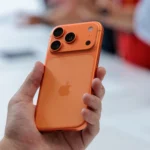
Software Magic How AI Steps In
Cameras live or die by software and both phones lean on smarts to boost shots. On the iPhone 17 Apple Intelligence powers the front cam with Center Stage a feature that auto adjusts the frame to keep you centered as you talk or pose. In video calls it zooms out for groups and rotates orientation on the fly. During my test calls with friends across states it picked up gestures smooth without lag thanks to the A19 chips neural engine. For photos Deep Fusion kicks in blending exposures for natural skin tones even under mixed lights like office fluorescents.
The Galaxy S26 runs One UI 8.5 with Galaxy AI that enhances selfies through auto framing and beauty modes tuned to your face over time. Leaks suggest improved low light processing pulling more color from shadows without over smoothing. From S25 trials Samsungs AI nails portrait effects blurring backgrounds clean for that pro look. It also offers wide angle selfies up to 120 degrees fitting more people than the iPhones 100 degree view.
Apples software feels more hands off it just works for natural results while Samsung gives tweaks like filter stacks or pose suggestions. If you want control the S26 wins but for quick reliable calls the iPhone 17 takes it.
Real World Tests Daytime Glow to Nighttime Charm
Put them to work and differences pop. In bright parks the iPhone 17s 18MP sensor captured vibrant colors with sharp eyes and smiles with no overexposure on cheeks. The square setup let me snap horizontal groups without flipping the phone a small win for awkward angles. Video stayed rock steady walking through crowds thanks to stabilization that rivals gimbals.
Samsungs S26 based on S25 benchmarks holds strong in sun with good dynamic range keeping highlights in check. But at 12MP details soften faster if you zoom in post shot. Its autofocus locked on fast during laughs making expressions lively. For stories the wide mode pulled in backgrounds without fisheye warp a plus over iPhones tighter crop.
Night shots tell another tale. The iPhone 17 fought noise well in restaurant dimness pulling warm tones from candlelight. Center Stage kept focus during toasts even with shaky hands. Samsungs new sensor promises better low light but leaks say it matches not beats the S25 where grain crept in faster than Apples.
In group nights the S26s wider angle fit tables better but colors washed slightly. Video calls seal daily use. iPhone 17s 4K with AI framing made remote meetings feel present hands free pans smooth. Galaxy S26s autofocus and beauty tools smoothed skin for polished looks but the punch hole distracts more in full screen.
Video and Extras Beyond Still Shots
Selfies mean motion too and both deliver. The iPhone 17 records 4K HDR front video with dual capture using rear cam at once for picture in picture fun. In my vlog tests it synced audio clean with less wind noise outdoors. The square sensor rotates seamless for landscape clips no black bars.
Samsung matches 4K at 60fps with super steady mode that crops in for smooth pans. Leaks hint at AI director mode suggesting angles during record a creative edge. Its wider field helps in cars or kitchens but stabilization lags slightly in wind compared to iPhone.
Extras round it out. iPhone integrates with Face ID for secure unlocks tying security to the cam. Samsung adds iris scan options for quick access. Both handle AR filters well but Apples ecosystem shares selfies easier to Macs.
Which Selfie Cam Wins for You
After stacking them up the iPhone 17 selfie camera leads for most with higher res wider views and smart framing that just clicks. Its square sensor solves real pains like group orientations making it ideal for families or creators. The Galaxy S26 counters with autofocus and wide angles for versatile snaps plus AI tweaks if you like editing on the go. But without a res bump it trails in detail.